Somebody Is Getting Rich Off What the Tide Left Behind
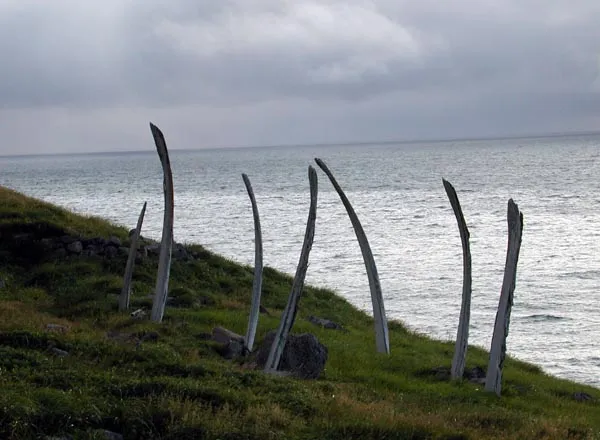
Photo: National Ocean Service, NOAA, Public domain, via Wikimedia Commons
Walk down almost any beach in America and you'll see them: the bent-over silhouettes, heads down, scanning the wrack line like they're reading a newspaper only they can see. Beachcombers. Harmless, right? Eccentric, even charming. People who collect sea glass and dried starfish and tell long stories about the best storm tides of 1998.
I used to think so too. Then I started looking into where some of this stuff ends up — and I have to tell you, the picture is uglier than the beach at low tide.
The Gray Zone Nobody Talks About
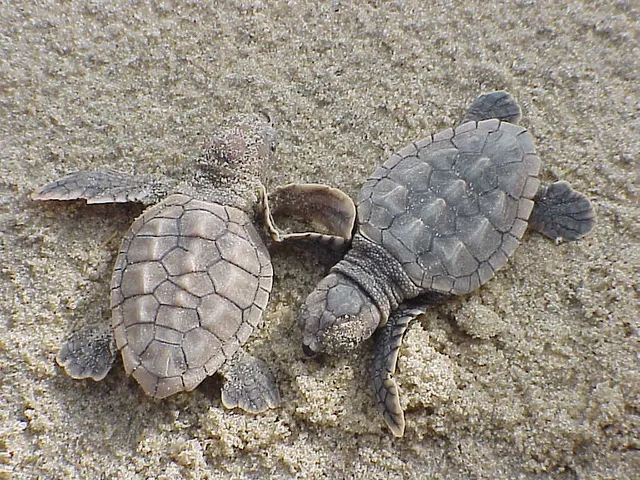
Here's a fun party fact: in the United States, virtually every marine mammal part — every whale bone, every seal tooth, every piece of a dolphin — is protected under the Marine Mammal Protection Act of 1972. Collecting a washed-up whale vertebra from a public beach? Generally illegal without a permit. Same with sea turtle shells under the Endangered Species Act, most beach-collected bird parts under the Migratory Bird Treaty Act, and even many shells, depending on the state and whether the animal was alive when you found it.
And yet. Search any online marketplace and you will find whale bones for sale, sand dollars by the bushel, "genuine" sea turtle items, and shells harvested live by the ton. Some sellers are ignorant. Some hide behind weasel phrases like "vintage" and "pre-ban." And some are doing exactly what they appear to be doing.
The law enforcement reality is bleak: wildlife officers patrol millions of acres of coastline with a fraction of the resources of any single suburban police department. The ocean delivers the goods to shore, the rules are confusing enough that most collectors genuinely don't know them, and the online marketplaces — well, they've shown about as much appetite for policing wildlife trafficking as they have for everything else they claim to self-regulate.
From Hobby to Supply Chain
The part that genuinely worries me is the pipeline. It starts innocently — a beachcombing Facebook group, a YouTube channel, a Etsy shop with a tasteful aesthetic. But casual collectors see that a large, clean whale vertebra can fetch hundreds of dollars. A rare shell, more. Japanese glass floats, once genuinely found flotsam, are now so scarce that counterfeits and "recycled" fakes flood the market — and the real antiques are sometimes sourced by people who will access closed beaches, protected reserves, and even archaeological sites to get them.
In Florida, authorities have busted shell poachers working state preserves at night. On the Gulf Coast, the illegal trade in live-removed and dyed sand dollars is persistent enough that wildlife agencies run ongoing public awareness campaigns. And the sale of protected species parts — turtle shells, marine mammal bones, protected bird eggs — keeps surfacing in the same online corners where it always has, just with better photography now.
Is every beachcomber a criminal? Obviously not. Is the average beachcomber now an unwitting participant in a supply chain that pressures protected wildlife? Increasingly, I'd argue yes — because demand at the top bends behavior all the way down to the tide line.
The Case for Leaving It
Here's the opinion part, stated plainly: the beach is not a store. The wrack line is not a clearance bin.
A whale skeleton on a beach isn't litter. It's a nutrient pump — one of the few mechanisms by which the ocean's energy makes it back onto land, feeding scavengers, beetles, and dune plants in a chain that ecologists are only beginning to fully map. Driftwood shelters the same habitat. Empty shells become homes for hermit crabs. Every removal is a withdrawal from an account that coastal wildlife is already overdrawn on.
And culturally? The best thing about beachcombing has always been that it's free, democratic, and unmonetized — a relationship with the ocean that runs on patience instead of money. The moment your hobby has an Etsy storefront, you've stopped being a beachcomber and started being a harvester. Different word. Different ethics.
What the Rules Actually Are
Because nobody teaches this stuff, a quick cheat sheet:
- Marine mammals (whales, seals, dolphins): Don't collect any part, anywhere, without explicit authorization. If you find a stranded animal, report it to your regional stranding network instead — some networks run legal, permitted programs for educational bones.
- Sea turtles: All parts, all species, always off-limits. Report takes.
- Birds, feathers, and eggs: Protected under federal law, including found feathers. Yes, even that one.
- Shells: Rules vary by state. Many states prohibit collecting shells with living organisms inside, and some beaches and reserves prohibit all collection. Check before you pocket.
- State parks and reserves: Assume collection is prohibited until proven otherwise.
Photograph, don't pocket. It's a cliché, but it's also the entire legal framework of most American coastlines, and increasingly the only one standing between a growing market and the animals it feeds on.
The tide will keep delivering treasures. The question is whether we're the kind of people who take them home — or the kind who leave the beach a little richer than we found it.