The Best $15 Whale Watch in America Is a Commuter Ferry
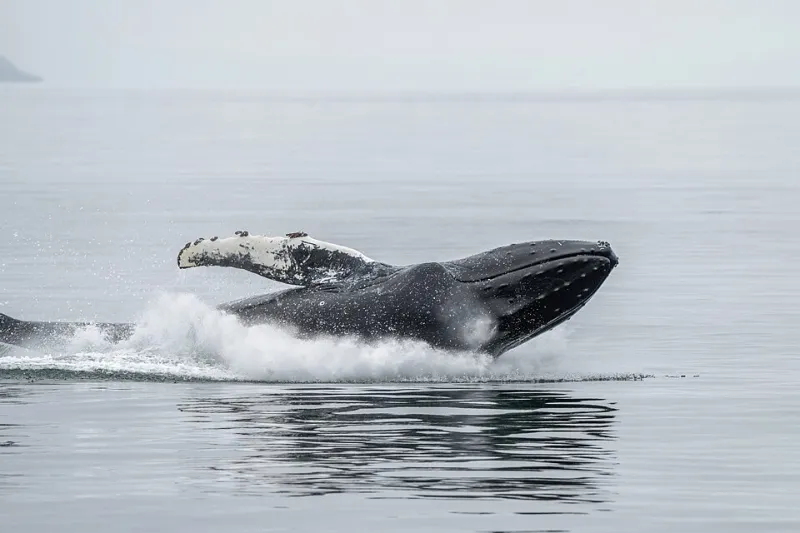
Photo: Giles Laurent, CC BY-SA 4.0, via Wikimedia Commons
Let me tell you about the day I spent fifteen dollars and change to see a humpback whale breach three times off the bow of a boat carrying a guy in a suit who was, I swear, reading a paperback the entire time.
The boat was the Washington State Ferry from Anacortes to Friday Harbor. The suited man was a daily commuter who has, presumably, stopped noticing. And I — a first-time Salish Sea visitor with salt spray on my sunglasses and my jaw somewhere near the deck — was having what I can only describe as a religious experience in a windbreaker.
Here's the thing nobody tells you: some of the best marine wildlife watching in the United States happens on public transportation. You just have to know where to stand, when to ride, and what you're looking at.
Why Ferries Punch Above Their Weight
Commercial whale-watching tours are great — the good ones employ naturalists and follow strict viewing rules. But they run predictable routes to predictable spots. Ferries run the commute, cutting straight through the feeding corridors, migration highways, and island channels where wildlife actually lives. You're not visiting the neighborhood; you're passing through it.
Plus, the price. A walk-on ferry passenger often pays less than a movie ticket for a two-hour ride through some of the richest cold-water habitat on the planet.
The Routes Worth Your Time
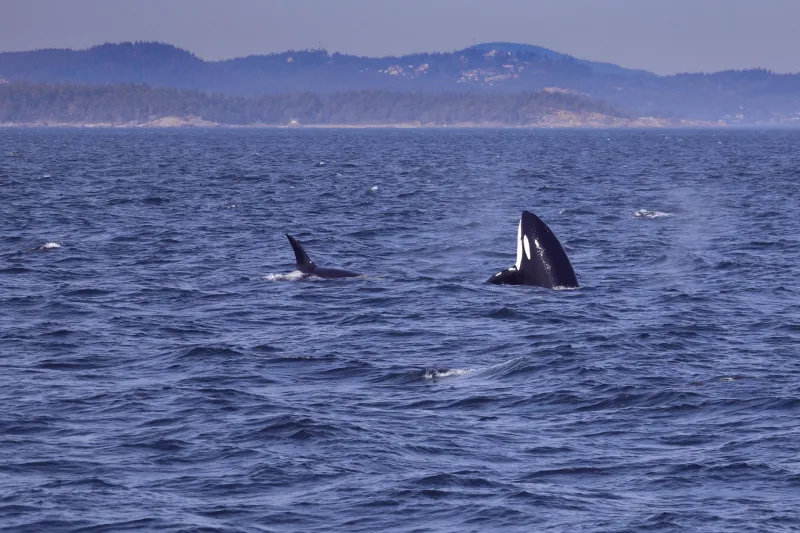
Anacortes–Friday Harbor, Washington. The crown jewel. This route threads the San Juan Islands through the heart of Salish Sea orca territory — Southern Residents in summer when the salmon are running, and humpbacks (making a genuinely stunning comeback in these waters) increasingly year-round. Sit on the outer port side heading out; keep your eyes on the rip lines where currents converge, because that's where the birds and the feeding whales stack up.
Seattle–Bainbridge Island, Washington. A 35-minute crossing that's basically a cheap preview of everything the Pacific Northwest has to offer. Harbor seals, rhinoceros auklets, marbled murrelets, and the occasional passing orca pod. Ride round-trip; nobody will judge you.
Alaska Marine Highway System. The big leagues. The run from Juneau through Frederick Sound and Stephens Passage is arguably the finest humpback watching available from any public vessel in America — bubble-net feeding groups, breaching calves, the works. In late summer, keep scanning for the white flash of a Dall's porpoise bow-riding.
Maine State Ferry to Monhegan or the Cranberry Isles. Different ocean, same magic. Harbor porpoises, Atlantic puffins in early summer near the offshore islands, grey and harbor seals hauled out on the ledges. The crossings are short, so bring binoculars and pay attention — the action comes fast.
Cape May–Lewes Ferry, Delaware Bay. Underrated. Summer crossings occasionally produce sightings of bottlenose dolphins and — increasingly, as the bay's ecology recovers — even humpbacks feeding close to the shipping lanes.
Timing Is Everything
A few hard-won rules of thumb:
- Go early or late. Wildlife activity peaks at dawn and dusk, and the light is better anyway. First sailings beat midday sailings nearly everywhere.
- Know your seasons. For Salish Sea orcas, aim for late spring through early fall. For Alaska humpbacks, June through September. For Maine puffins, May through July, before the colonies scatter.
- Check tide and current tables. Slack currents mean fewer feeding birds and fewer whales. Moving water concentrates prey, and everything follows the prey.
- Ride the round trip. The return leg is a second ticket in the lottery, at half the marginal cost.
Don't Be That Passenger: A Quick Etiquette Refresher
The beauty of ferry watching is that the animals are choosing to be near a vessel that isn't chasing them. Keep it that way. Never signal or follow the boat's movement to get a whale's attention — the crew can't alter course for your photo, and you wouldn't want them to. Resist shouting or running to the rail (the crew will thank you, and so will the birds). And if you're posting sightings online, hold your location for protected species — the Southern Resident orcas, in particular, don't need a pin dropped on their feeding grounds.
One more thing: log what you see. Apps like Whale Alert and local sighting networks turn casual passengers into genuinely useful citizen scientists. That humpback fluke you photographed? It has a name, a history, and a researcher who'd love to see it.
The Commuter's Secret
That man with the paperback has seen a thousand crossings and a hundred whales, and I used to think that made him jaded. Now I think it makes him the luckiest commuter in America — someone whose daily bus route happens to pass through a cathedral.
The whales are out there, swimming past the ordinary machinery of our lives. All you have to do is buy a ticket, pick the right deck, and look up from your phone.
Fifteen dollars. Bring a thermos. Thank me later.