The Mountain Is Melting Into the Sea — And Your Next Hike Is Part of the Story
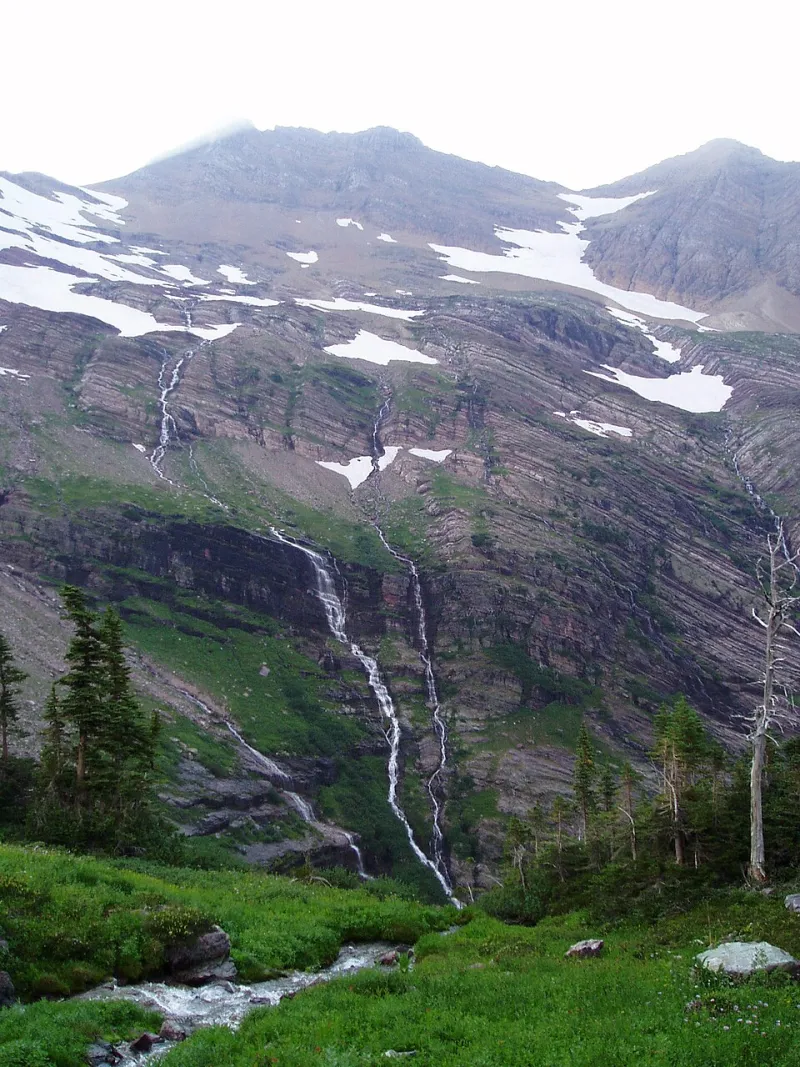
Photo: Gary Miotla, CC BY 3.0, via Wikimedia Commons
Picture yourself on a trail in the North Cascades, somewhere above 6,000 feet. The air is sharp, the views are ridiculous, and the snowpack — what's left of it — glitters in the morning light. It feels remote. Elemental. Like a place that exists outside the reach of human problems.
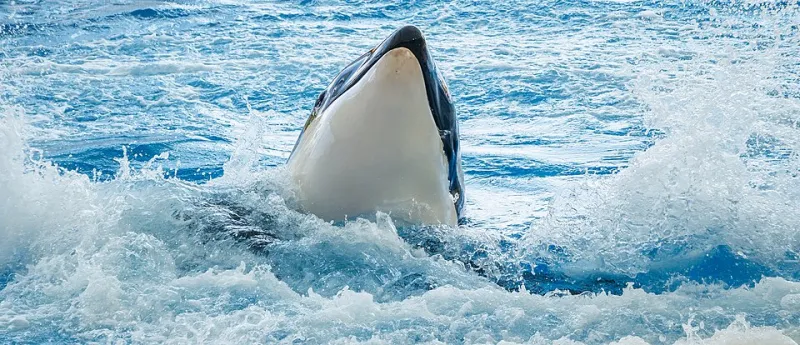
Now picture a Southern Resident orca off the coast of Washington, hunting for Chinook salmon in waters that are running warmer and shallower than they did a generation ago. The salmon aren't where they used to be. The orca's calf hasn't eaten in two days.
These two images are connected. More directly, more causally, than most people standing on that mountain trail would ever guess.
How Mountains Feed the Sea
Watersheds are the circulatory system of the landscape. Snow accumulates in the high country through winter, melts slowly through spring and summer, and feeds rivers and streams that eventually reach the coast. That gradual, sustained release of cold, clean water is the backbone of salmon habitat — and salmon, as any Pacific Northwest ecologist will tell you, are the backbone of nearly everything else.
But the pattern is changing. Across the American West, snowpack levels have been declining for decades. The Sierra Nevada, the Rockies, the Cascades — all are seeing earlier melt dates, reduced total accumulation, and more precipitation falling as rain rather than snow. What this means in practice is that rivers get their water all at once, in a rush, rather than in the steady trickle that cold-water fish species depend on.
Streams run warm. Flows drop to critically low levels by late summer. Salmon — already navigating past dams, past agricultural diversions, past warming ocean temperatures — arrive at their spawning grounds to find conditions that are increasingly hostile. Fewer salmon complete their runs. Fewer salmon means less marine-derived nutrients cycling back into coastal ecosystems when the fish die and decompose. Fewer salmon means hungry orcas.
The mountain and the ocean are in constant conversation. Climate change is scrambling the signal.
Glaciers, Sediment, and the Ocean's Chemistry
It goes deeper than salmon. Glaciers do more than store water — they actively shape the chemistry and ecology of the systems they feed. Glacial meltwater carries fine sediment particles called glacial flour, which influences light penetration, nutrient cycling, and the productivity of coastal waters. Estuaries fed by glacially influenced rivers support specific communities of invertebrates, juvenile fish, and seabirds that have evolved around those conditions over millennia.
As glaciers retreat — and in places like Glacier National Park, the retreat has been visually dramatic over just the past few decades — the character of that meltwater changes. Rivers that once ran milky with glacial silt run clearer, warmer, and with less predictable seasonal timing. Estuarine communities that depend on the old rhythms are left scrambling to adapt, and many can't do it fast enough.
Altered precipitation patterns compound the problem. Intense rain events in watersheds that once received steady snowfall cause erosion, flooding, and sediment pulses that can smother spawning gravels and destabilize stream channels. The ocean, at the receiving end of all these disrupted systems, is absorbing the cumulative stress.
The Outdoor Community's Unlikely Power
Here's the part that doesn't get said enough: hikers, climbers, skiers, and backcountry enthusiasts are among the most politically potent conservation constituencies in the United States. The outdoor recreation economy generates over $780 billion annually and supports more than five million jobs. When that community speaks — to elected officials, to land management agencies, to corporate sponsors — people listen.
The problem is that the outdoor community often compartmentalizes its advocacy. Mountain people fight for mountain things. Ocean people fight for ocean things. The connective tissue between the two — the watersheds, the salmon runs, the atmospheric systems that govern both — often falls through the gap.
Closing that gap is one of the most important things the outdoor community could do right now.
Concrete Steps for People Who Love Both Peaks and Waves
So what does that actually look like? A few places to start:
Get politically specific. Snowpack and glacier health in the American West are directly affected by federal land management decisions, carbon emissions policy, and water rights law. Organizations like the American Rivers, Trout Unlimited, and the Sierra Club are fighting these battles at the policy level. Joining, donating, or simply contacting your congressional representatives about specific legislation — the Recovering America's Wildlife Act, for instance — translates outdoor passion into political pressure.
Choose your recreation dollars deliberately. Gear companies vary enormously in their environmental commitments. Brands that have signed on to initiatives like 1% for the Planet or that actively advocate for public lands and climate policy deserve your loyalty. Ones that don't deserve the question: why not?
Participate in citizen science. Programs like the Community Collaborative Rain, Hail and Snow Network (CoCoRaHS) and the USGS streamflow volunteer programs allow outdoor enthusiasts to contribute real data about precipitation and water levels. When you're already out there, you might as well be counting.
Reduce your carbon footprint in ways that are actually significant. Flying less, driving less, eating less beef — these aren't small asks, but they're the ones that move the needle. The outdoor community tends to be honest about hard truths in the backcountry. It's time to be honest about them at home too.
Support watershed restoration projects locally. Across the Pacific Northwest and beyond, groups are working to remove culverts that block salmon passage, restore riparian vegetation along degraded stream banks, and reintroduce beaver — nature's own watershed engineers — to landscapes where they've been absent for a century. These projects are often volunteer-driven and perpetually underfunded.
The View From the Summit, Reconsidered
There's a reason this site takes its name from a mountain and an ocean animal in the same breath. Mount Wittenberg rises above Point Reyes on the California coast — a place where the ridgeline and the sea exist in constant, visible proximity. Standing on that summit, you can watch the Pacific stretch out below you, and on a clear day, you might spot a spout in the distance.
That proximity is the point. The mountain and the sea aren't separate domains for separate kinds of people. They're one continuous system, breathing together, stressed together, and — if we do this right — healing together.
The next time you lace up your boots and head for the high country, bring that awareness with you. The orca off the coast is counting on the snowpack above the treeline. And you're one of the few people who gets to love both places enough to fight for them.